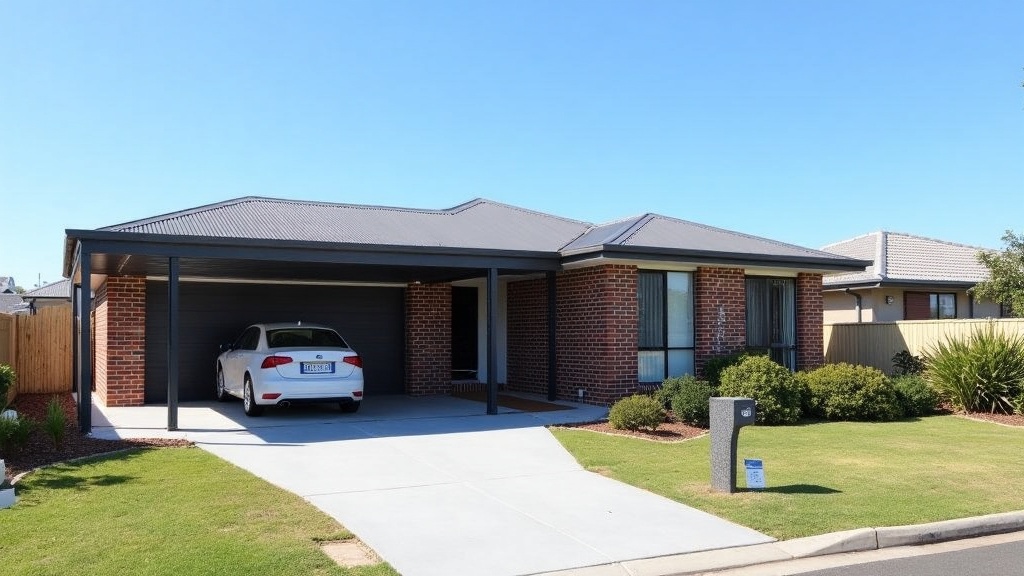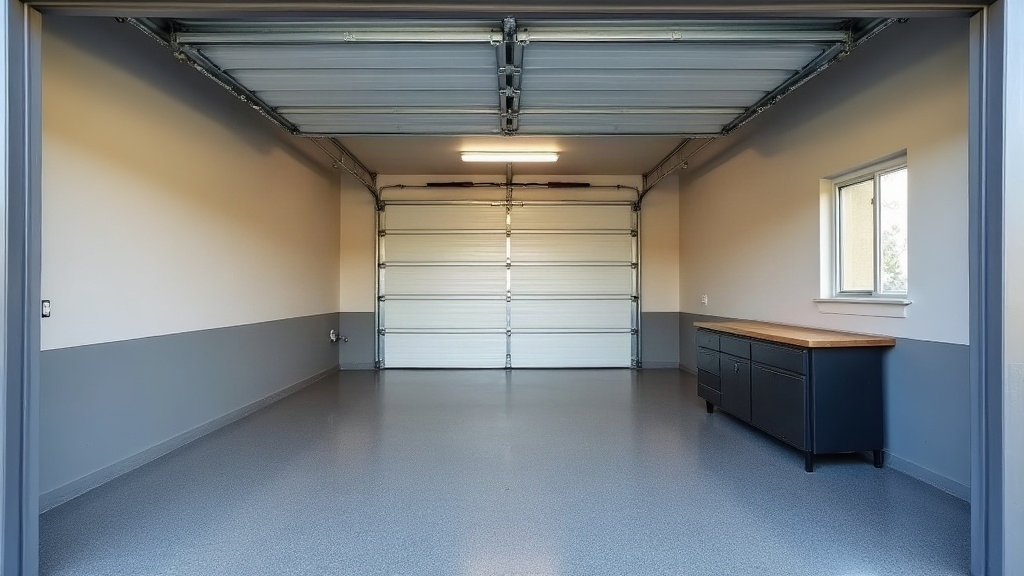
A bare concrete garage floor rarely stays looking good for long. Oil drips leave stains that never quite lift, the surface starts dusting a fine grey powder underfoot, and tyres pick up scuffs that make a two-year-old slab look decades older. The fix isn’t more sweeping, it’s putting a proper finish over the concrete. The question most Melbourne homeowners get stuck on is which one: epoxy, polyaspartic, or polished concrete.
Why a bare slab doesn’t stay looking good
Concrete is porous, so it soaks up oil, brake fluid and anything else that drips off a car or a workshop bench. That same porosity is why the surface dusts, with fine particles working loose from the top layer every time you drag a box or roll a bin across it. None of that means the slab is faulty. Bare concrete was never meant to be the finished surface, it’s the base one goes on top of.
Epoxy coatings: the popular starting point
Epoxy is the finish most people picture when they think “garage floor coating,” and it’s the one most commonly offered by trades and sold in DIY kit form. It goes on as a liquid resin that cures into a hard, glossy film, usually with decorative flake broadcast into the wet coat for grip and to hide minor imperfections in the slab.
Where epoxy earns its reputation is chemical resistance and gloss, handling oil and everyday workshop chemicals well while looking sharp fresh off the job. Where it can let you down is UV exposure and impact: a garage with a roller door left open to the weather can see epoxy amber or chalk over time, and a heavy tool dropped edge-first can chip it. It also needs a longer window without traffic while it cures, which matters if the garage is your only way in and out of the house.
Polyaspartic coatings: what actually changes
Polyaspartic is a newer resin chemistry doing a similar job to epoxy but behaving differently in application. It cures much faster, which is the main reason installers have moved toward it, so a garage can often go back into light use sooner than an epoxy job allows. It also tends to hold its colour better under UV and resists chipping and abrasion better than a straight epoxy system.
The trade-off is that the fast cure gives the installer a shorter working window per coat, so it rewards an experienced applicator who can move quickly. It’s usually pitched as the upgrade over epoxy, and the price reflects that. For a garage that sees real vehicle traffic and direct sun through an open roller door, the added toughness is often worth it.
Polished and sealed concrete: a different look, a different job
Polished concrete isn’t a coating at all, it’s the existing slab ground back and honed with progressively finer diamond tooling until it develops a sheen, then sealed to protect it. Sealed concrete skips the grinding and simply applies a sealer to a slab already in reasonable condition.
The appeal is a finish that reads as concrete rather than something laid on top, which suits garages doubling as a workshop, gym or entertaining space where an industrial look beats glossy flake. Polishing depends heavily on the existing slab’s quality: cracks, patching or an uneven pour will show through in a way a thicker epoxy or polyaspartic build-up can hide. A slab with cosmetic issues is often a better fit for a coating than for polishing.
What actually decides which one lasts
Every one of these finishes lives or dies on the prep, not the product. Skip proper preparation and even a premium coating will peel or bubble within a season, and it’s rarely the resin that gets blamed first.
- Moisture testing: confirms the slab isn’t pushing vapour up through the coating from underneath, especially on older or ground-level garages
- Mechanical profiling: opens the surface so the coating actually bonds, rather than sitting on top like paint on glass
- Crack and joint treatment: existing cracks and control joints need addressing before coating, or they’ll telegraph straight through
- Cure time before load: driving a car or dropping a jack stand on a coating before it’s ready is the fastest way to dent a brand-new floor
Who actually applies these coatings
Epoxy and polyaspartic kits can turn out fine as a careful DIY job on a small, well-prepped area. Where it tends to go wrong is skipping the grinding step or applying in conditions the product wasn’t designed for, since both chemistries are sensitive to temperature and humidity during cure. Polishing genuinely isn’t a DIY job: the diamond tooling and staged grit sequence needs the right gear and the experience to read how the slab is responding as you go.
For a professional job, it’s worth asking who actually specialises in floor and slab finishes rather than treating it as a sideline. A team with real experience prepping and finishing hard surfaces will tell you plainly whether your slab is a good polishing candidate or better off coated, which saves finding out the hard way a year later.
Which finish suits your garage
If the garage is a straightforward car space and budget matters most, epoxy remains a sound, well-proven choice. If it sees daily vehicle traffic, gets hit by direct sun through an open roller door, or you can’t afford the garage being out of action for long, polyaspartic is worth the extra outlay. If the slab is in good condition and the garage doubles as a workshop or living-adjacent space where the concrete look is the point, polishing is the one to look at seriously.
Whichever way you go, get an honest read on the slab’s condition before committing. It’s one of the last decisions in the garage build process, alongside the same trade-offs covered in our guide to driveway material choices, and it’s worth getting right the first time rather than redoing it in a few years. For the bigger picture, see our homeowner’s guide to outdoor structures and driveways in Melbourne.