The driveway is the first thing people see and the surface that carries your car every day, so the material you choose matters more than it first appears. Concrete, exposed aggregate, pavers, asphalt and gravel each look different, wear differently and cost different amounts to lay and maintain. There is no single best choice — there is the one that suits your home, your budget and how the driveway drains. Here is how the main options compare.
Why the driveway surface is a long-term decision
A driveway is not something you redo on a whim. It takes vehicle loads for years, sets the look of the frontage, and has to shed water sensibly — so the surface is a long-term commitment, not a finish you swap out like paint. That is why it is worth weighing durability, maintenance and drainage alongside the look, rather than choosing on appearance alone. Spending a little more on the right surface for your situation usually beats redoing a cheaper one early.
Concrete: plain, coloured and exposed aggregate
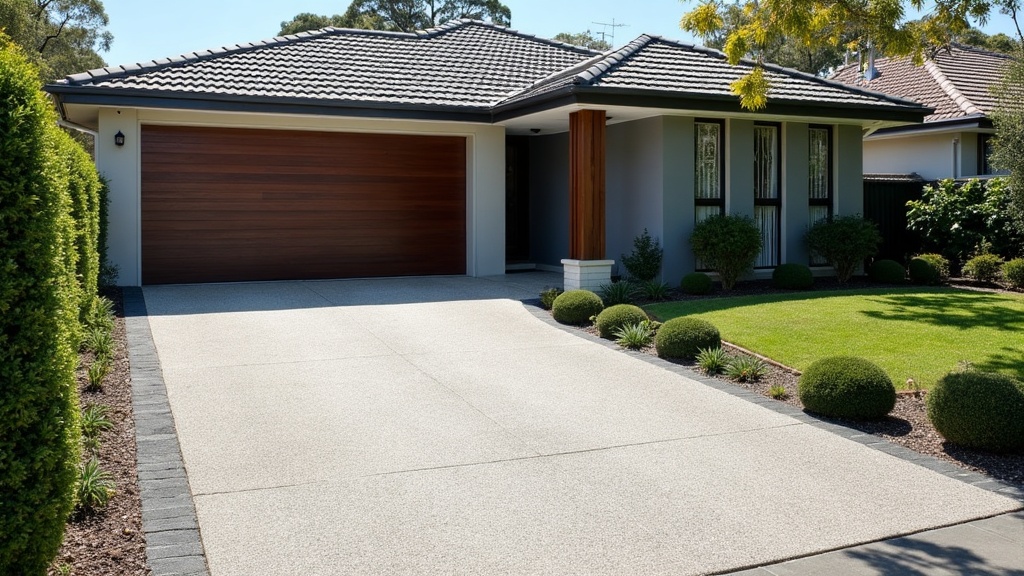
Concrete is the workhorse. Plain concrete is hard-wearing and economical; coloured and stencilled finishes add character; and exposed aggregate — where the top is washed back to reveal the stone — gives a textured, premium look with good grip. Concrete is strong and low-fuss once it is in, though it can crack if the base or control joints are not done right, and repairs are visible. It suits homeowners who want a durable, relatively low-maintenance surface and are choosing mainly on finish and colour.
Pavers: look, flexibility and repairs
Pavers give a high-end, detailed look and a big range of colours, shapes and patterns. A real advantage is repairability — lift and replace individual pavers if one is damaged or you need to reach a service beneath, without re-laying the whole driveway. The trade-offs are cost and upkeep: a paved driveway generally costs more to lay, and weeds or movement in the joints need occasional attention. Crucially, pavers rely on the correct substrate and falls underneath, so the preparation is where a paved driveway is made or ruined — it is worth using an experienced paving team such as Brisbane’s Best Tilers who get the base, falls and edge restraint right.
Asphalt and gravel: where each fits
Asphalt gives a smooth, seamless surface and goes down quickly, which suits longer driveways and a clean, understated look; it needs occasional maintenance and can soften in extreme heat. Gravel is the most economical and the most permeable — water soaks straight through — and it suits rural or informal settings, but it migrates, needs topping up and can be awkward near the house. Each has a clear place: asphalt for cost-effective coverage over a larger area, gravel for budget and drainage where a loose surface is acceptable.
Drainage, fall and keeping water off the house
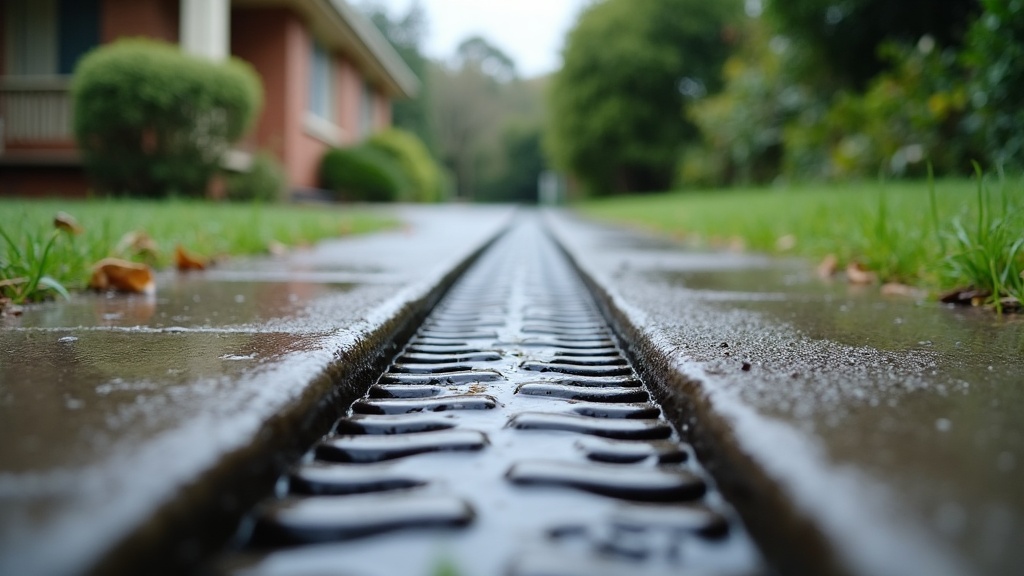
Whatever the surface, drainage makes or breaks a driveway. It needs the right fall so water runs away from the house and garage, not toward them, and a sensible path for that water to leave the property. Solid surfaces like concrete and asphalt shed water and so need fall and sometimes drains designed in; permeable surfaces like gravel let some soak through but still need managing. Get the levels and drainage planned before laying, because correcting a driveway that funnels water at the house afterward is a major job.
Maintenance and durability under vehicle load
All driveways carry real weight, and how they cope depends as much on the base as the surface. A properly prepared base is what stops cracking, rutting and movement over time, which is why the unseen preparation matters as much as the visible finish. Maintenance varies: concrete and asphalt are largely set-and-forget with occasional sealing or patching; pavers want joint upkeep; gravel needs regular topping up. Don’t rely on a quoted “lifespan” figure — longevity depends on the base, the install and your conditions, so lean on a licensed concreter or paver and, where structure matters, an engineer for the spec.