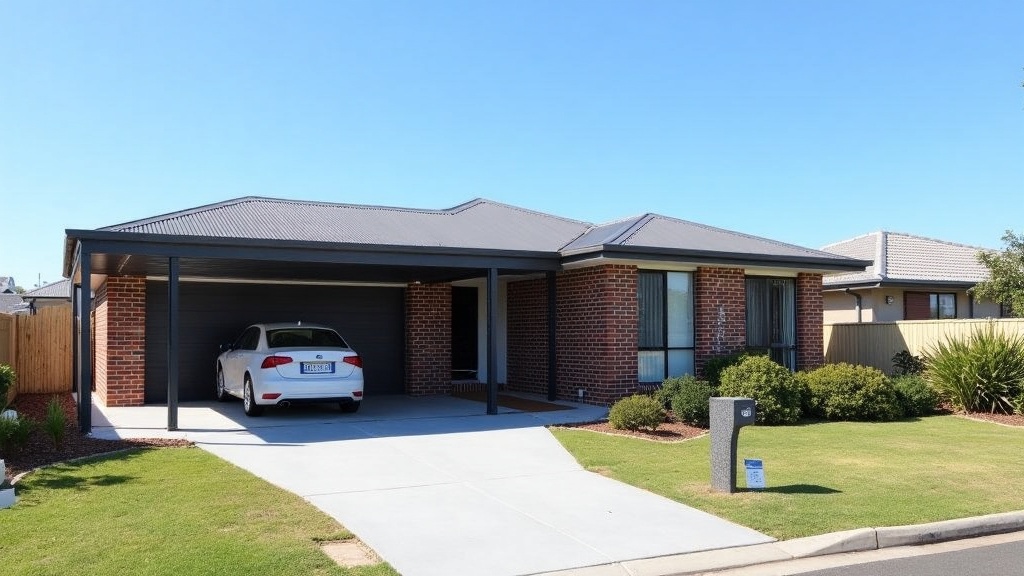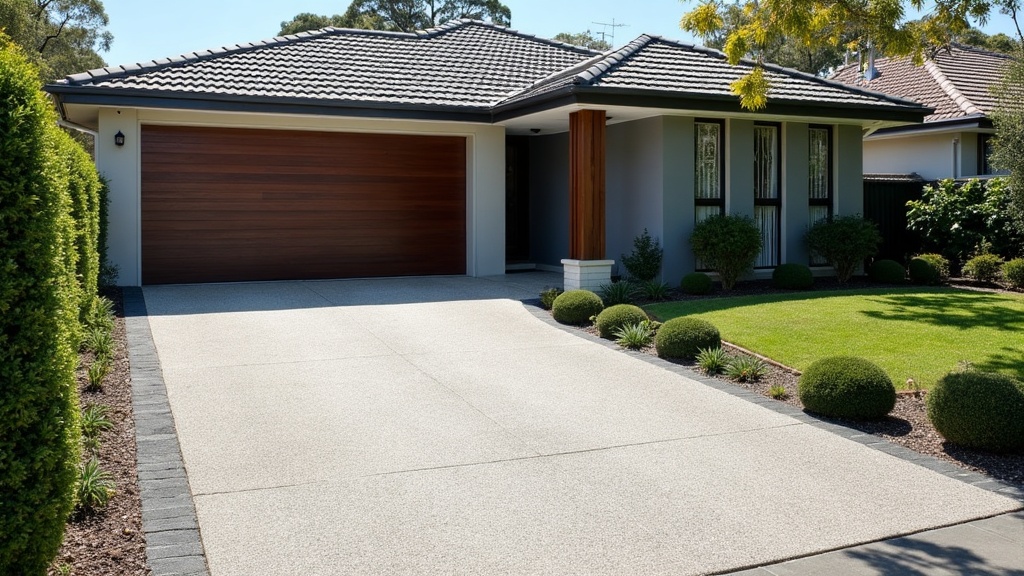
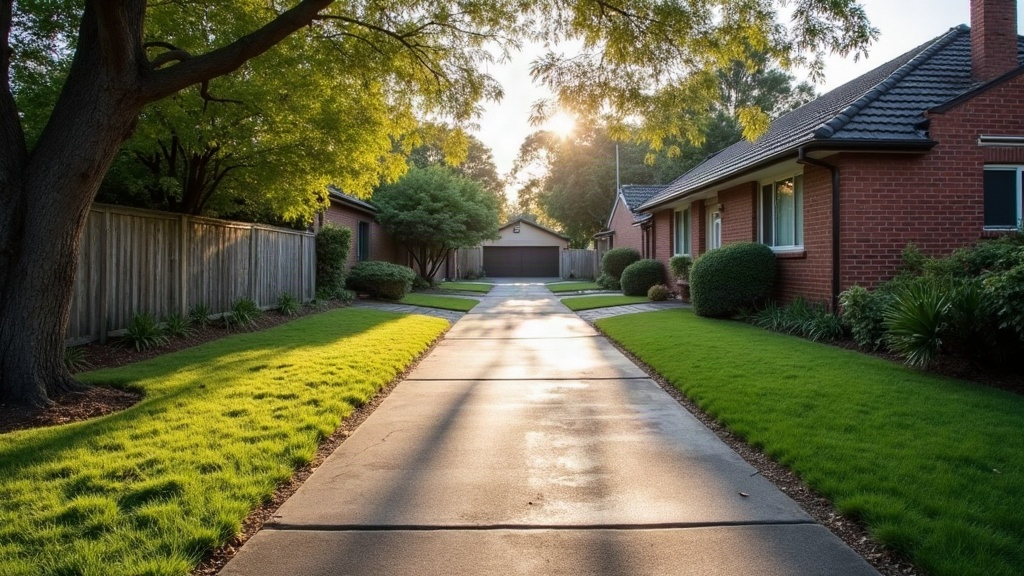
A shared driveway in Melbourne is usually governed by a carriageway easement recorded on the land title, and that document, not what the neighbours have always done, decides who can use the strip, who can park on it and who pays to fix it. Read the title and the plan of subdivision before you resurface, build near it or argue about it.
Most shared driveway trouble starts with habit. One owner assumes the drive is theirs because it sits on their lot. The other assumes they can park on it because the last owner let them. Neither has read the paperwork.
Key takeaways
- Check the title first: the easement and its purpose show on the title and plan of subdivision, available through LANDATA.
- Access, not ownership: the benefiting neighbour gets a right to pass, and the land stays with the lot it sits on.
- Put costs in writing: agree the scope and split of any repair before a contractor turns up.
- Mediate early: the Dispute Settlement Centre of Victoria offers mediation at no charge.
Who actually owns a shared driveway?
Usually one person owns the ground and the other has a right to cross it. The lot the driveway sits on carries the burden of the easement. The neighbour behind or beside it holds the benefit, which is a right of way for access. Some older drives straddle the boundary, with each owner holding an easement over the other half.
Units and townhouses are different again. There the drive is often common property run by an owners corporation, not an easement at all. Your title and plan will tell you which situation you’re in.
Where do I find the easement details?
Order a title search and a copy of the plan of subdivision through LANDATA, the official online service for Victorian titles and plans. The plan marks each easement on the diagram and lists its purpose, such as carriageway, drainage or sewerage.
Read the wording, not just the shading. A carriageway easement typically lets the benefiting owner pass over the strip with vehicles and on foot. It rarely gives them a right to park there, store bins there or leave a trailer there. If the grant says something different, the grant wins.
What can each owner do on the driveway?
The simple test is whether you’re getting in the way of the other person’s access. Here’s how it tends to play out:
- Driving through: fine for the benefiting owner at any hour, within the easement’s terms.
- Parking: a problem for either owner if it blocks the other’s way in or out.
- Gates and fences: anything that narrows or closes the carriageway can interfere with the right, even if it’s on your own land.
- Structures: a carport, pergola or garden bed can’t encroach on the strip. Easements for drainage or sewerage raise their own build-over questions, so talk to your building surveyor before planning a carport beside a shared drive.
Who pays to fix a shared driveway?
Start with the grant of easement, because that’s where any maintenance obligation is normally written. Plenty of older grants say nothing useful on cost. In that case the sensible outcome is a split that reflects who uses the drive and how much.
The jobs that cause the most grief:
- Cracked or lifted concrete: one owner wants a patch, the other wants a full pour. Quote both. Our guide to resurfacing versus replacing a worn driveway covers where the line sits.
- Water pooling: a shared drive that falls toward one house moves the problem onto that owner. Sort the driveway drainage before anyone lays a new surface.
- Material upgrades: if one owner wants exposed aggregate or pavers over plain concrete, it’s fair for them to cover the difference.
- The crossover: the section across the nature strip needs council consent, whoever pays for it.
Before any work starts, put three things in writing: the scope, the price and each owner’s share. A one-page agreement signed by both households saves arguing when the invoice lands.
How do shared driveway disputes get resolved?
Talk first, and keep it about access rather than fault. Plenty of these disputes come down to a car parked across the drive or a quote one side never saw. A calm chat with the title in hand clears up most of them.
If that stalls, the Dispute Settlement Centre of Victoria runs mediation that it states is free. It’s also voluntary, so a neighbour can’t be forced to attend.
If the argument is about what the easement legally allows, get a property lawyer to read the grant.
Buying a home with a shared driveway
Ask the conveyancer to point out every easement on the Section 32 vendor statement and explain its purpose. Then stand on the drive at peak time. See where the neighbour parks, where the bins go and how tight the turn into each garage is.
Check the surface too. Cracks or ponding on a shared drive mean a repair you’ll negotiate with a stranger, so price it before you sign.
Common questions
Can my neighbour park on our shared driveway?
Usually not if it blocks your access. A carriageway easement is typically a right to pass, not a right to park. Check the wording of the grant on your title, since a small number of easements are drafted more broadly.
Can I remove an easement from my title?
It can be done, but it’s a formal process that gives the benefiting owner a say, usually through a council planning permit or a court application. Get a property lawyer’s advice before relying on any plan that needs the easement gone.
Do I need permission to resurface a shared driveway?
You need the other owner’s agreement on scope and cost if you expect them to contribute. Work on the crossover also needs council consent. The driveway and crossover permit guide covers that side.