Short answer: if the cracks are cosmetic and the slab underneath is still sound, a resurface will save you thousands and buy another decade. If the concrete is heaving, badly cracked right through, or the base underneath has failed, resurfacing is just putting new paint on rust. Here is how to tell which one you are actually looking at before you get a quote.
What “worn” actually means before you decide anything
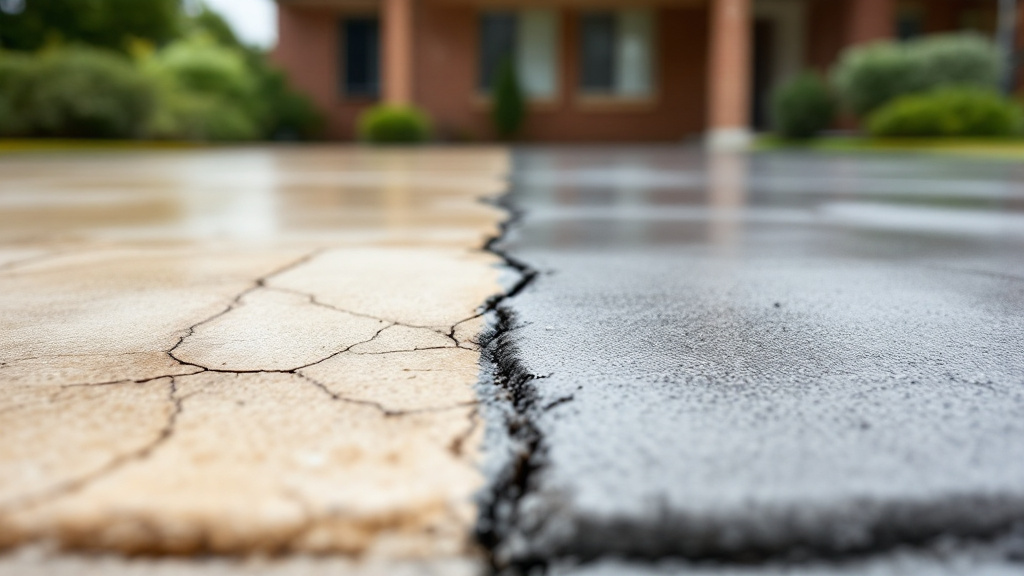
Not every ugly driveway needs the jackhammer. Most of what homeowners call “worn” falls into a handful of categories, and each one points to a different fix. Surface staining, hairline crazing, and colour fade are cosmetic, the slab is doing its job, it just looks tired. Spalling, where the top layer flakes or pops off in patches, usually means water got into the concrete and froze or expanded, or the original mix or curing was off. That is more serious but often still fixable from the top. Cracks that run edge to edge and you can see daylight or movement through, or a section that has visibly dropped or lifted compared to the section next to it, mean the problem is underneath the slab, not on top of it. That is the line between resurface and replace.
When a resurface genuinely does the job
A resurface, sometimes called an overlay, is a thin cementitious or polymer-modified layer applied over the existing slab after it is cleaned, profiled, and any minor cracks are repaired. It works well when the base rock underneath hasn’t moved, drainage is reasonable, and the cracking is surface-level rather than structural. Done properly it can look genuinely new, and you can choose a plain, coloured, or textured finish over the top. The catch is that a resurface is only as good as what’s underneath it: if the base has settled unevenly, the same movement will eventually show through the new surface too, just delayed rather than solved.
When replacement is the only honest answer
If you are seeing any of these, get a licensed concreter or engineer to look before you spend money on a cosmetic fix:
- Through-cracks with visible movement: the slab is flexing or has separated, not just marked on the surface
- Sections higher or lower than their neighbours: usually base failure, tree roots, or erosion underneath
- Large areas of spalling or delamination: the slab’s structural cover has been compromised, not just the finish
- Persistent pooling or water tracking toward the house: a drainage and fall problem that a thin overlay won’t fix
In any of those cases, resurfacing is a short-term cover that will crack again, often within a season or two, because you have papered over a base problem rather than fixed it. A full replacement means breaking out the old slab, checking and if needed re-compacting the base, then repouring with correct falls. It costs more upfront but it’s the only option that actually resets the clock.
What actually drives the cost either way
Rather than quote a dollar figure, which changes constantly and varies by suburb and access, it’s more useful to know what a concreter is actually pricing when the quote comes in. Size and shape of the driveway matter, obviously, but so does access for equipment, whether the old slab needs to be broken out and carted away, the condition of the base rock, whether drainage or a new fall needs to be engineered in, and the finish you choose (plain concrete is the cheapest baseline, exposed aggregate and coloured finishes cost more). A resurface skips the demolition and base work entirely, which is the bulk of what makes replacement expensive, so it’s rarely a marginal saving, it’s usually a fraction of the cost.
The driveway isn’t separate from the rest of the property
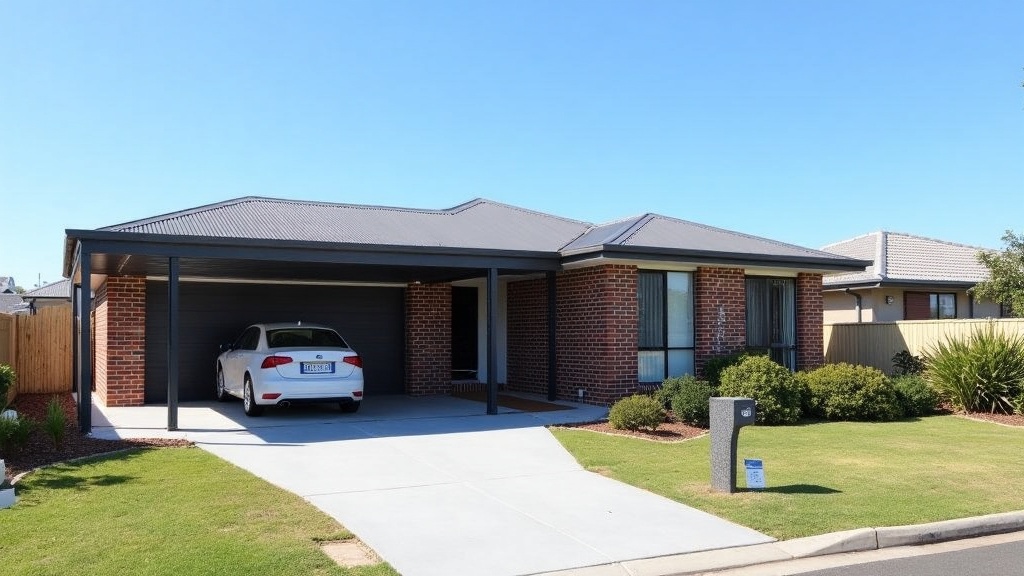
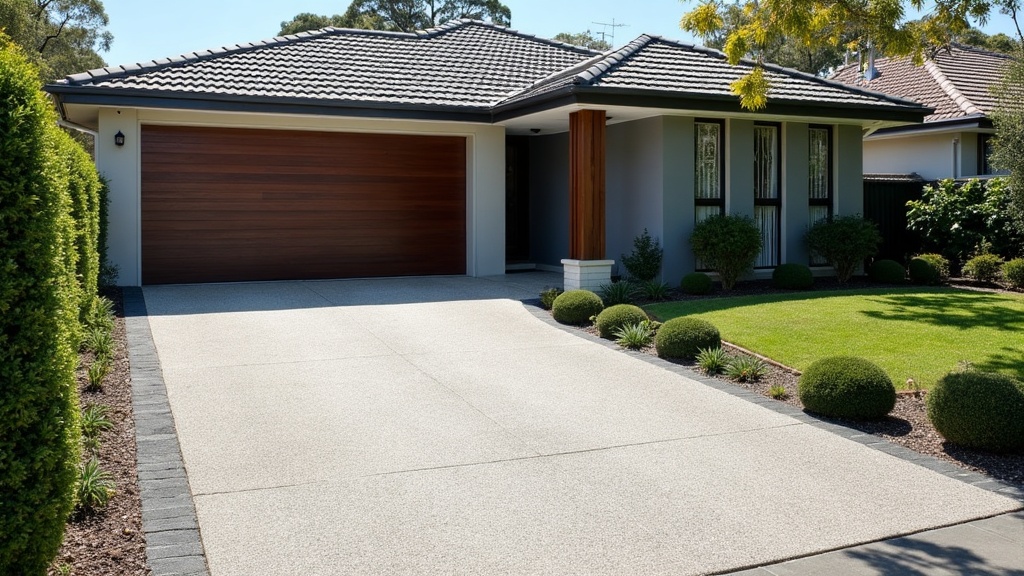
Whichever way you go, it’s worth thinking about the driveway as part of the whole approach to the house rather than an isolated slab. If you’re already weighing up a new driveway alongside other work like a carport, garage, or pergola, our guide to outdoor structures and driveways in Melbourne covers how those decisions tie together. And if the surface you’re comparing against is a fresh build rather than a repair, our rundown of driveway materials for Melbourne homes is a useful side-by-side before you commit to concrete again versus pavers or asphalt.
Getting an honest assessment
The trap most homeowners fall into is getting a quote from someone who only does resurfacing, or only does replacement, and taking their word for which one you need. A resurfacing specialist will tell you it can be resurfaced. A demolition and repour crew will tell you it needs replacing. The better move is to get a licensed concreter to actually assess what’s under the surface, not just what’s visible on top, before you commit either way. If there’s any doubt about whether the base has moved, a core sample or a simple dig-test at the worst-affected spot will settle it in minutes rather than guessing.
The bottom line
Cosmetic wear on a sound slab: resurface it and save the money. Movement, through-cracks, or an uneven base: replace it properly, because anything less is a temporary patch you’ll be paying for twice. Get someone qualified to look at what’s underneath before you decide, not just what you can see standing on top of it.