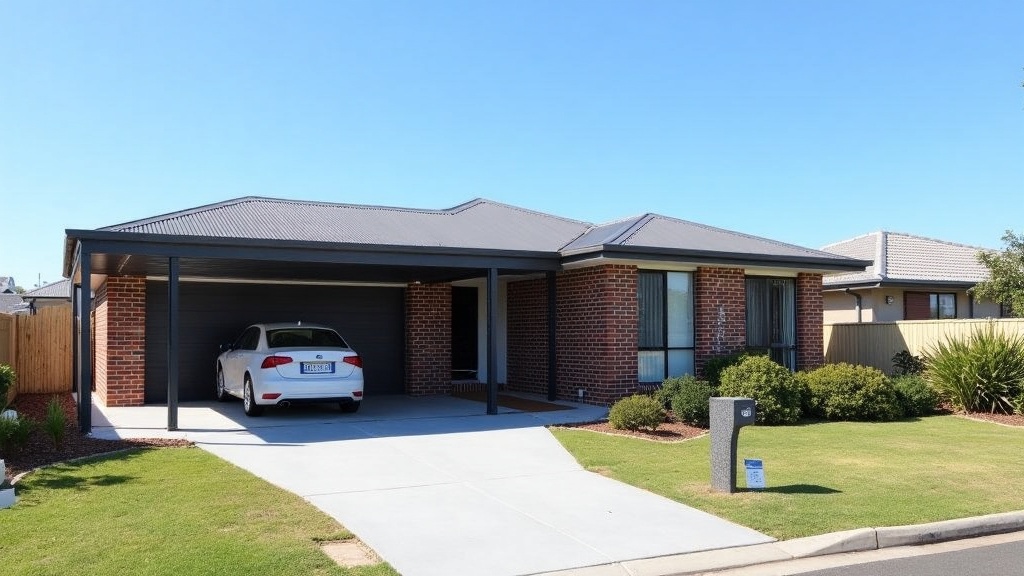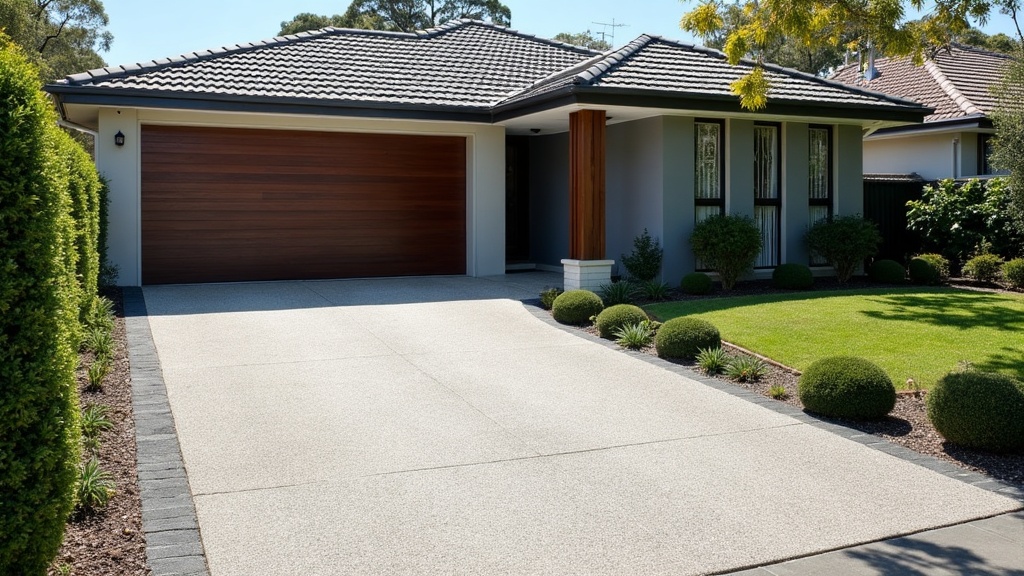
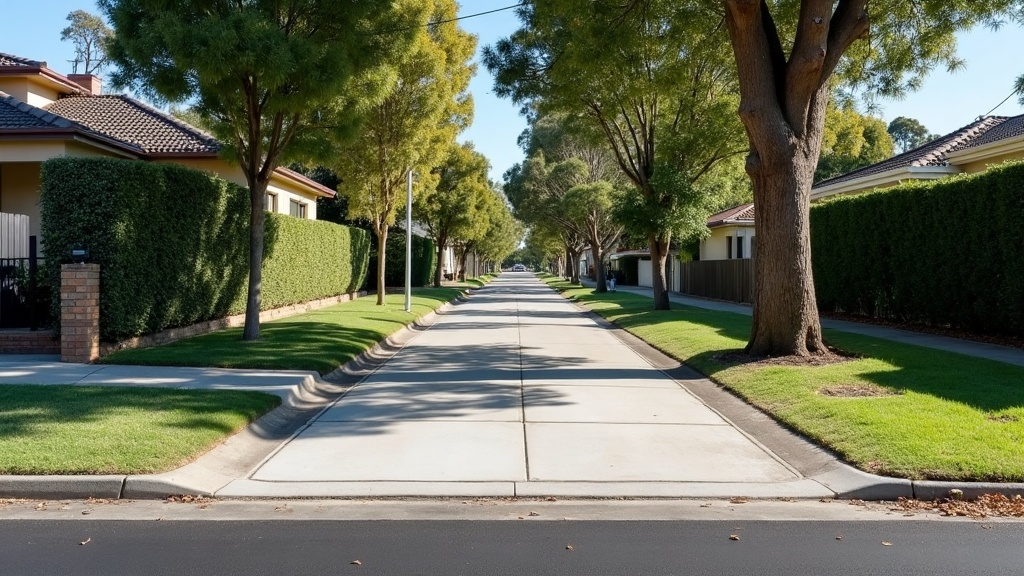
Putting in a new driveway, or widening the one you have, often involves more approval than people expect — and the part most homeowners overlook is the crossover, the section of paving between the kerb and your property boundary. That bit sits on council land, so it has its own rules. This guide explains why a new driveway and crossover usually need approval in Melbourne, what councils look at, and why doing it without sign-off is a risk you do not want.
Driveway vs crossover — and why the crossover is council’s
Your driveway is the part on your own land. The crossover (or vehicle crossing) is the strip between the kerb and your boundary — it crosses the nature strip and footpath, which are council-controlled land. Because it sits on council’s land and affects the kerb, footpath and drainage, the crossover is the council’s domain and almost always needs its own approval, often built to the council’s specification by an approved contractor. People think of the whole thing as “the driveway”, but the crossover is a separate, council-governed piece.
Why a new or widened driveway usually needs approval
A new or widened driveway changes where vehicles cross the footpath, how water drains, and sometimes how close you build to a boundary — all things councils take an interest in. So a new crossover, or widening an existing one, generally needs council approval before any work starts, and the works on your own land can have requirements too. Rather than assume a like-for-like replacement is automatically fine, check with your council about your specific situation, because the rules and what triggers approval vary between councils.
Street trees, nature strips and what you can’t touch
The nature strip and any street trees on it are council-controlled, and that catches a lot of people out. You generally cannot remove or prune a street tree, or reshape the nature strip, to suit a new driveway without council approval — street trees in particular are protected and have to be worked around, not removed at will. If a tree sits where you want the crossover, that becomes a conversation with the council, not a decision you can make yourself. Where trees or their roots affect the works, a qualified arborist can assess and advise on protecting them, but the council still controls what happens to anything on its land.
Kerb, footpath and stormwater considerations
A crossover has to work with the existing kerb, footpath levels and drainage. The council cares that water still flows along the gutter as intended, that the footpath stays safe and at the right level, and that the crossover is built to last under vehicle loads. These are exactly the things their specification covers, which is why crossovers are usually built to a set standard rather than however a contractor prefers. Getting these details right is part of why approval and an approved method exist.
How to apply and who does the work
The usual path is to apply to your council for crossover approval, have the proposal checked against their requirements, and then have the work carried out — often by a contractor on the council’s approved list, built to the council’s specification. The driveway on your own land can be done by your chosen contractor, but the crossover piece typically has to meet the council’s standard. Start with your council’s vehicle-crossing or crossover information for your address, since the process and the spec are set locally.
The risk of doing it without approval
Skipping approval is a genuine gamble. An unapproved crossover can be ordered to be removed or rebuilt at your cost, can cause problems when you sell, and can leave you liable if the work affects drainage, the footpath or a street tree. The approval step is not just red tape — it is what protects you from having to tear up finished work later. Confirm the requirements with your council and get the crossover signed off before you build, not after.