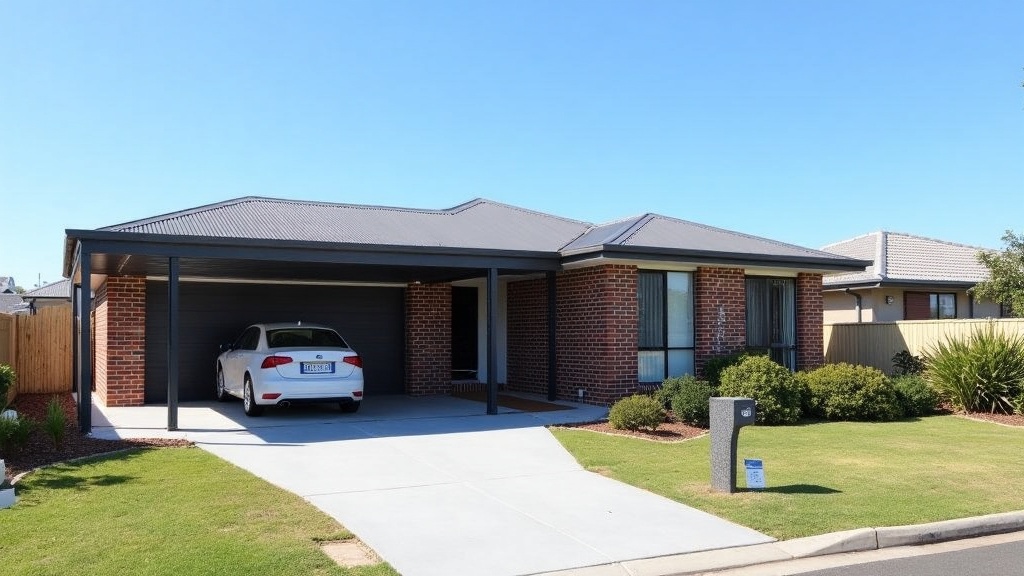
If you are short on living space, the garage can look like easy square metres just sitting there. Converting it into a room is often cheaper and faster than an extension — but you give up the parking and storage, and the outcome depends heavily on your property and your council. The alternative is to keep the garage and build new living space elsewhere. Here is how to weigh a garage conversion against building new so you choose the one that actually suits your home.
The trade-off: parking and storage vs extra living space
This is the heart of the decision. A conversion turns the garage into a study, lounge, bedroom or rumpus — but the cars move to the driveway or street, and all the storage a garage quietly absorbs has to go somewhere. For some households that is a fair swap; for others, losing secure off-street parking and the storage is a bigger deal than they expected. Be honest about how much you use the garage as a garage before you decide the space is “wasted”.
What a garage conversion actually involves
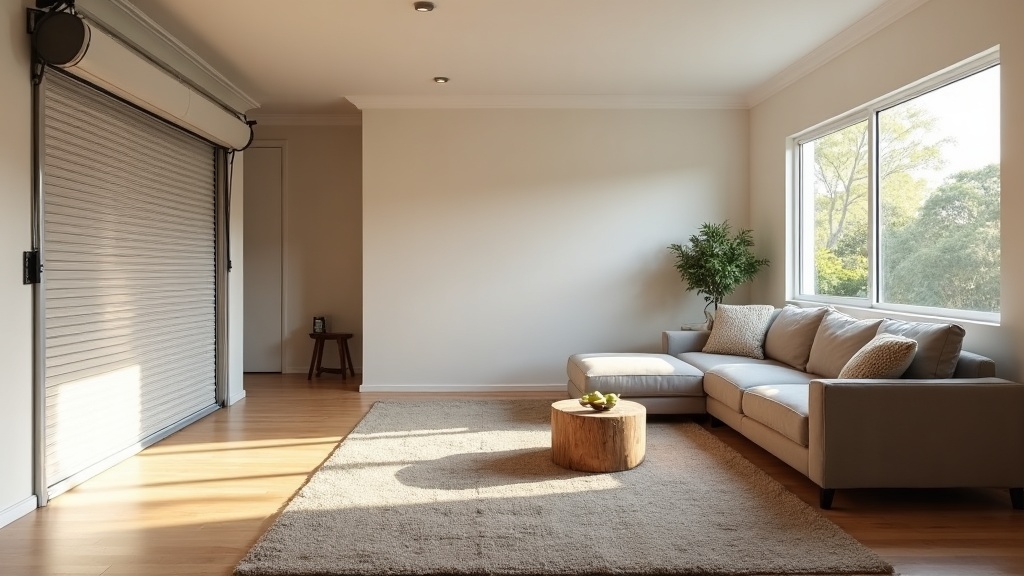
A conversion is more than throwing down carpet. To become comfortable, year-round living space, the garage typically needs proper insulation, weatherproofing, a floor that suits habitable use, heating and cooling, lighting and power, and often replacing the roller door with a wall and windows. The existing slab and walls were built for a garage, not a living room, so part of the job is bringing them up to a standard that is comfortable and compliant. Done well it is seamless; done cheaply it always feels like a converted garage.
When building a new garage instead makes more sense
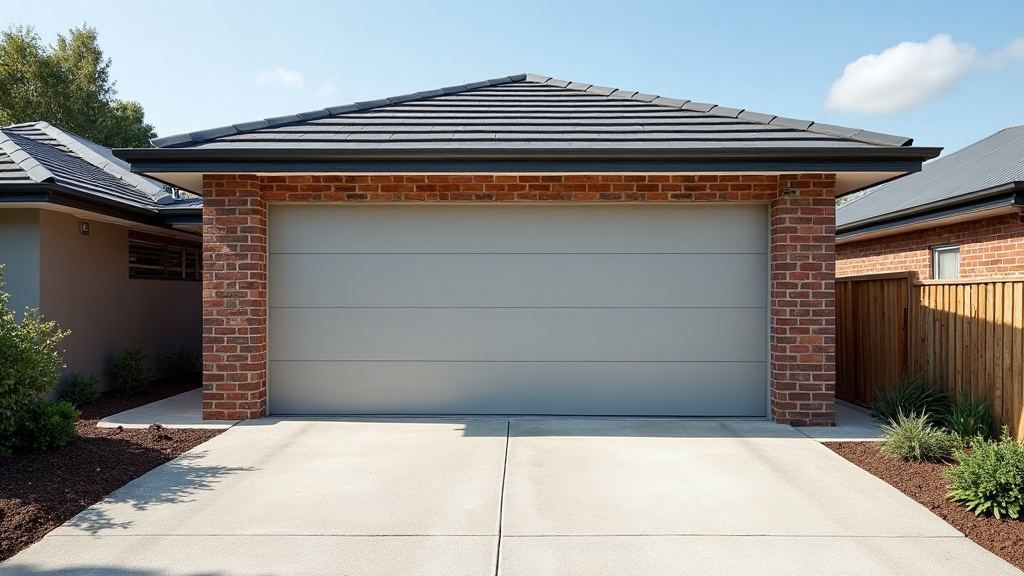
Sometimes the better move is to keep the parking and add living space another way — or rebuild the garage and extend separately. Building new makes more sense when you genuinely need the secure parking and storage, when the existing garage is poorly located or in bad shape, or when you would rather have purpose-built living space than a room shaped by an old garage footprint. It usually costs more than a conversion, but you keep the garage’s functions and get a room designed for its purpose.
Approval, insulation and weatherproofing realities
Do not assume a conversion is a no-permit job. Changing a garage into a habitable room can require approval, and it brings building standards for habitable spaces into play — insulation, weatherproofing, ventilation, ceiling height and more. Whether and what approval is needed depends on the property and your council, so confirm with them before you start rather than after. The same goes for the building standards: meeting them is what makes the room comfortable and legitimate, not just liveable on a mild day.
How each option affects resale and street appeal
Buyers value both living space and secure parking, and which matters more depends on the property and the area. In some streets, losing the only off-street parking can count against a home; in others, an extra room is the bigger draw. A conversion also changes the street frontage — a bricked-up or windowed former garage door can look great or can look exactly like a filled-in garage, depending on how it is done. Whether the change adds value depends on the property, so weigh it for your home and street rather than assuming a conversion automatically pays off.
How to decide for your home
Work through it in order: how much do you rely on the garage now, what will you do with the cars and storage, what does your council require, and which option gives the better long-term result for this property. For a conversion that touches the existing structure and its weatherproofing, or a rebuild, a builder such as Iconic Homes and Construction can assess whether converting or rebuilding gives the better outcome for your home. Get that read early, before you commit to a path that is hard to reverse.