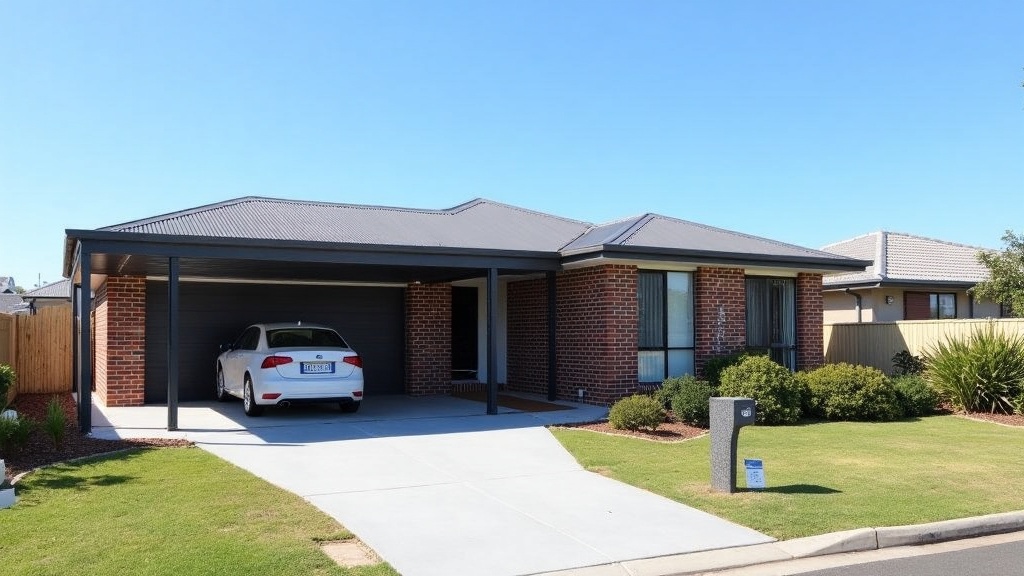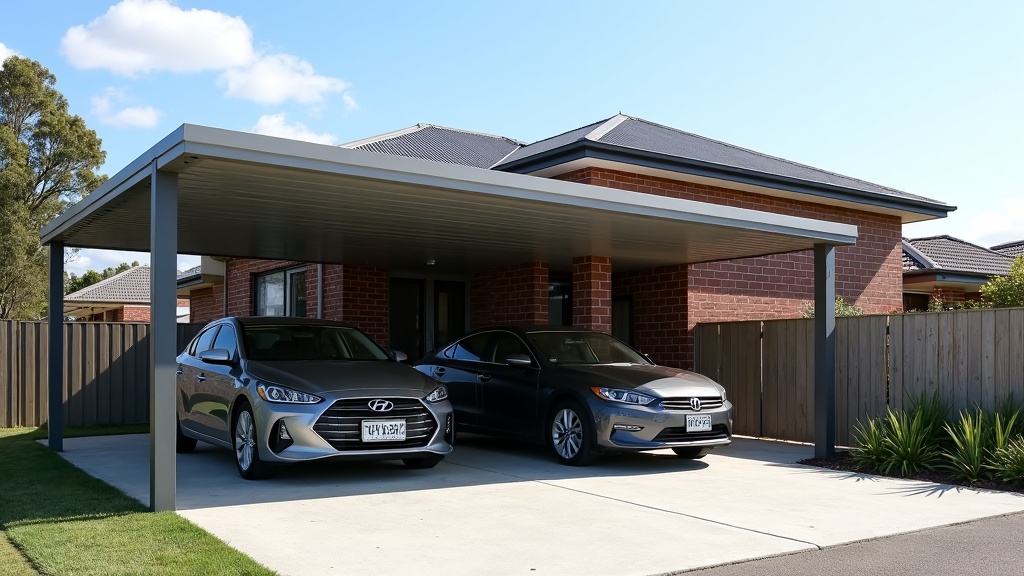
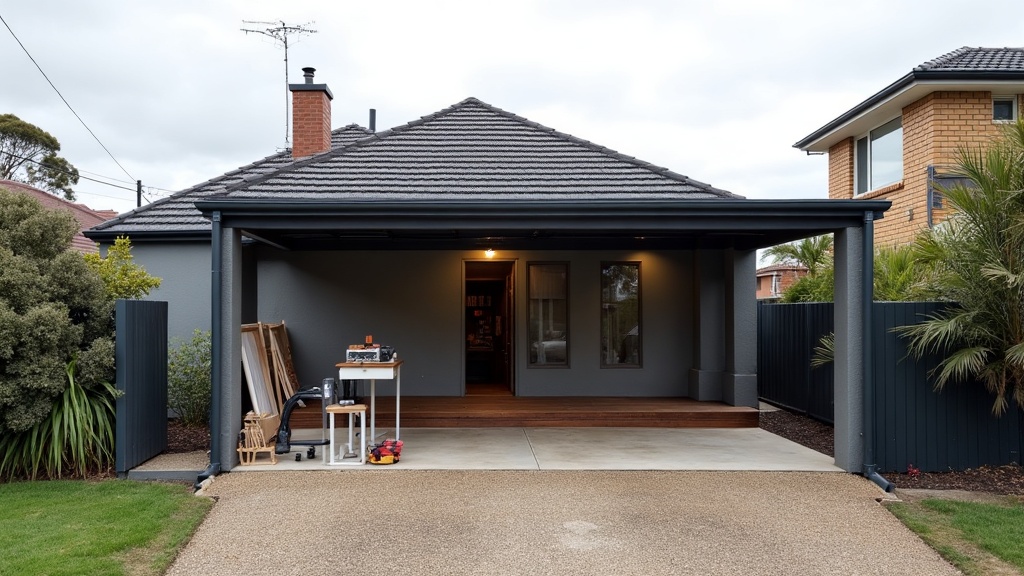
Adding a carport to a house that is already built is a different job from including one in a new design. The home is fixed, the driveway is where it is, and there are services in the ground you cannot see. Get the sequence right and a retrofit carport looks like it was always meant to be there. Get it wrong and you are chasing drainage problems, clashing materials or a roof tie-in that leaks. Here is what to plan before you build.
Start with the driveway and what’s already underground
The carport has to land where the car already parks, so the existing driveway sets the footprint. Before anyone digs footings, you need to know what is under there — stormwater, sewer, water, gas, power and comms can all run through the front and side of a property. Arrange a Dial Before You Dig enquiry and have services located on site before excavation starts. Hitting a service is dangerous and expensive, and finding one in the wrong spot can change where the posts go, so this is genuinely the first practical step.
Where the carport will tie into the existing house
If the carport is attached, the connection to the house is the part that makes or breaks it. The new roof has to flash cleanly into the existing roof or wall so water cannot track back into the building, and the structure has to load onto the house without overstressing it. Eaves, gutters, windows and the existing roof line all dictate what is possible. This is worth resolving on paper early, because the tie-in detail often decides the carport’s height and roof shape more than your preference does.
Matching materials and colours to your home
A retrofit looks bolted-on when the materials clash and planned when they echo the house. Look at the roof profile and colour, the fascia, the brick or render tones, and any existing outdoor structures, then choose a steel colour or timber finish that sits with them rather than fighting them. You do not have to match exactly — a deliberate complementary tone often looks better than a near-miss — but the decision should be conscious, not whatever the supplier had in stock.
The sensible order: approvals, slab, frame, roof
Retrofits go smoothly when they run in the right order: confirm approvals first, then prepare or pour the slab, stand the frame, and finish with the roof and flashings. Sorting approvals before any concrete goes down protects you from building something that has to be modified or removed. Each stage also wants to cure or settle before the next loads onto it. Rushing the slab to “save time” is the classic false economy here.
Common retrofit headaches and how to avoid them
The usual problems are predictable, which means they are avoidable. Water pooling on the driveway because the new roof dumps rain in the wrong place — solve it by planning where run-off goes up front. A roof tie-in that leaks — solve it with proper flashing detailed before the roof goes on. Posts that land on a service or clash with a setback — solve it by locating services and checking siting early. Colours that jar — solve it by choosing finishes against the actual house, in daylight. Almost every retrofit headache traces back to a step skipped at planning.
Who to involve and when
For a simple freestanding carport on clear ground, a good carport builder may be all you need. The more the carport touches the existing house, the more value there is in involving someone who can assess the structure it is loading onto. For retrofits that tie into the existing building, an experienced builder can assess how the addition loads onto the current house and coordinate the trades, rather than leaving the tie-in to chance. And for anything where the permit picture is unclear, confirm your council’s requirements and talk to a registered building surveyor before you commit — it is far cheaper than fixing an unapproved structure later.