Choosing a carport sounds simple until you start drawing it on your block. Attached or freestanding? Flat, skillion or gable roof? The right answer comes down to where your driveway runs, how the structure ties into the house, and what your council allows on your particular site. This guide walks through the main carport types so you can narrow the field before you talk to a builder.
The quick answer: how to tell which type your block wants
Start with the space you have and how the car gets to it. If there is room beside the house with a clear run from the driveway, an attached carport is usually the tidiest result. If the only sensible spot sits away from the house — across the yard or in front of a setback — a freestanding carport gives you more freedom. Roof shape then follows the look of the home and how you want to handle rain run-off. None of this is set in stone, but it is the order most builders think in.
Attached carports — pros, cons and where they tie into the house
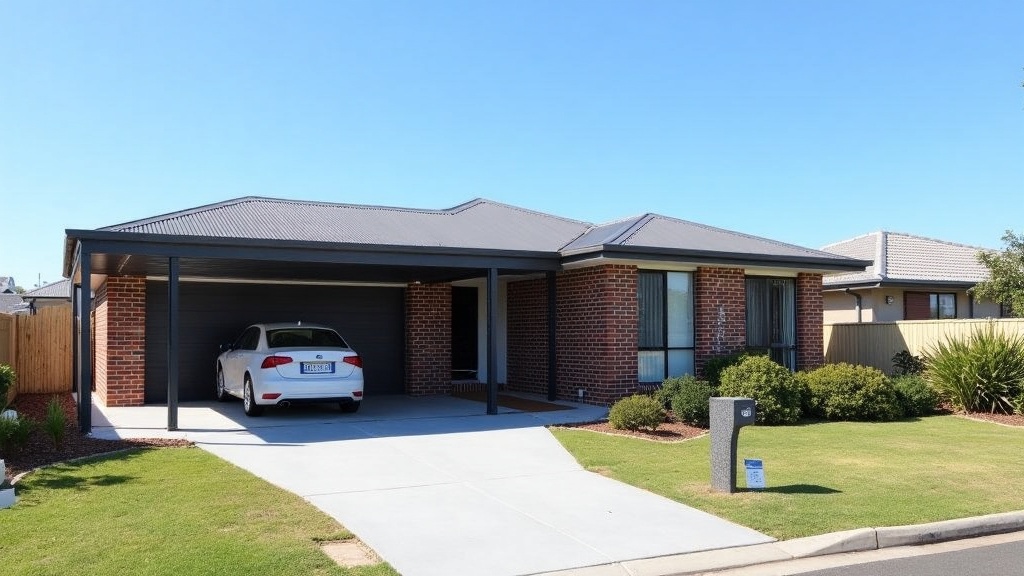
An attached carport shares a wall or fascia with the house, so it reads as part of the home rather than a separate object. That usually means a cleaner look, less structure to build, and a covered path from the car to the door. The trade-off is that the connection has to be done properly: the new roof has to flash into the existing one and load onto the house without causing leaks or sagging down the track. It also pins the carport to wherever the house wall happens to be, which does not always line up with the best parking spot.
Freestanding carports — pros, cons and footprint flexibility
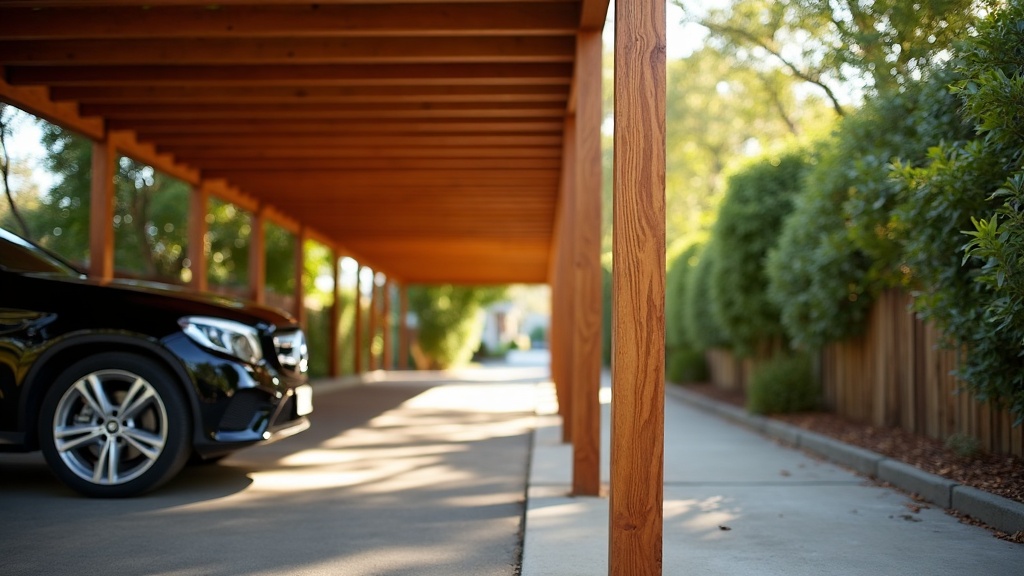
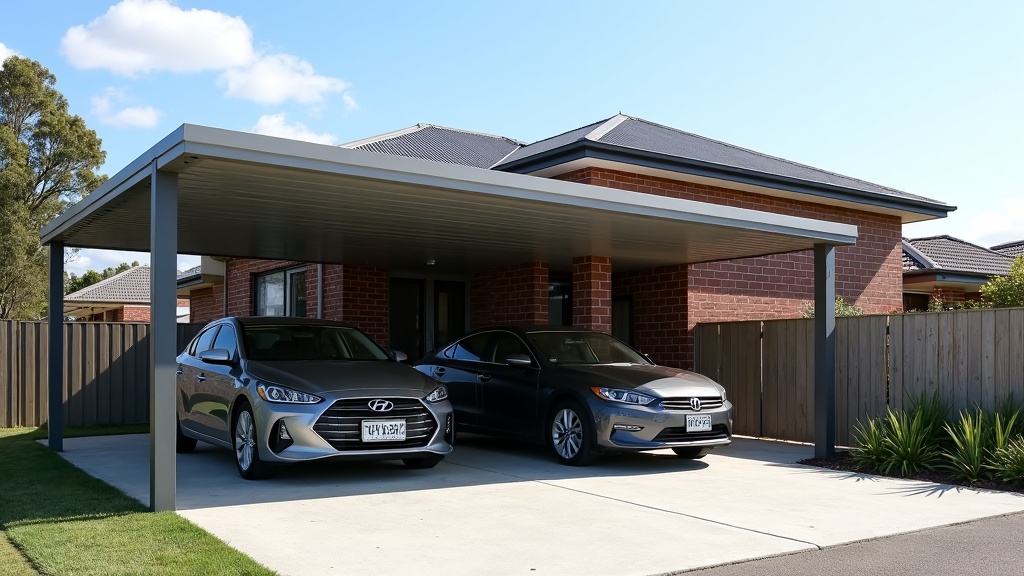
A freestanding carport stands on its own posts and footings, so you can put it almost anywhere the block allows. That flexibility is the main draw — you can angle it to the driveway, set it back off the house, or place it over an existing hardstand. The cost is that it needs a full set of posts and footings rather than leaning on the house, and a standalone structure is more visible, so its proportions and finish matter more. On tight blocks it can also eat into setbacks, which brings council siting rules into play.
Skillion, flat and gable roof shapes compared
Roof shape changes both the look and how water behaves. A flat or near-flat roof is the most discreet and often the cheapest, but it still needs a slight fall to shed water. A skillion roof is a single sloped plane — it sheds rain decisively in one direction and suits modern homes. A gable roof pitches to a central ridge, giving more height and a traditional look that pairs well with older or pitched-roof houses. The right one is the shape that matches your home and sends water where you want it to go, not toward the house or a neighbour.
Driveway, fall and drainage considerations
A carport sits over the spot where your car already lives, so the driveway and its fall come into the decision early. You want the surface to drain away from the house and garage, and you want the carport roof to discharge rain somewhere sensible rather than straight onto the driveway or the boundary. Getting the fall right before the slab goes down is far easier than chasing pooling water afterward, so it is worth resolving the levels and where the water ends up at the planning stage.
How the choice affects footings and structure
Attached and freestanding carports load the ground differently, and roof shape changes the spans and the wind the structure has to handle — which all flows back to the footings. This is where a builder or engineer earns their fee: sizing posts, beams and footings for your soil and your wind exposure rather than guessing. On a new build it is far cheaper to coordinate the carport with the home from the start; the integrated approach an experienced custom builder plans from the slab up means the carport, house and driveway are designed as one rather than retrofitted later.
Before you commit
Whichever type suits your block, confirm the siting before you order materials. Boundary distances, overlays and whether you need a permit all depend on your address, so check your council’s siting requirements and talk to a registered building practitioner rather than relying on a rule of thumb. A carport is a long-lived structure — an hour spent on the levels, the roof direction and the approvals saves a lot of grief once it is up.