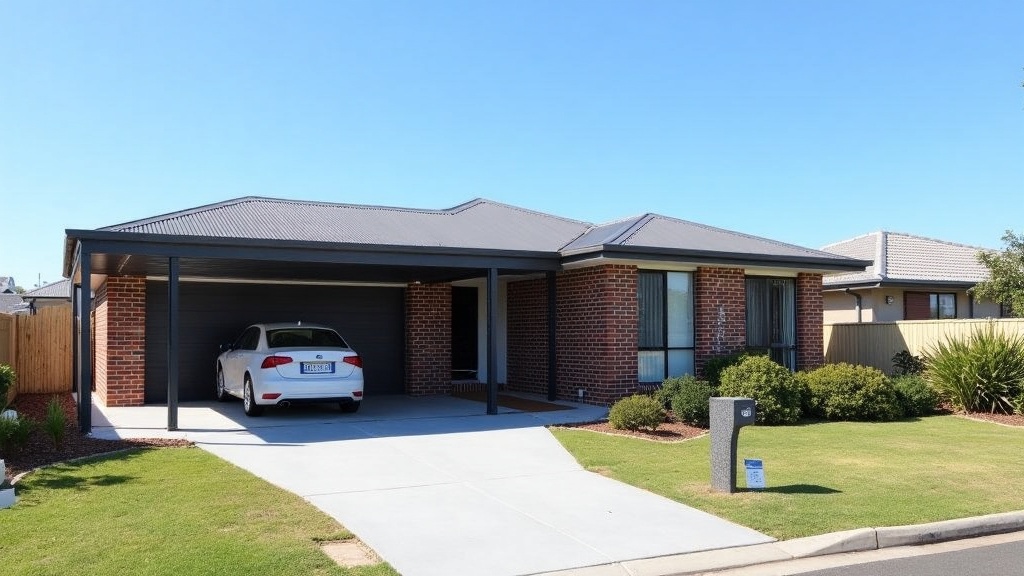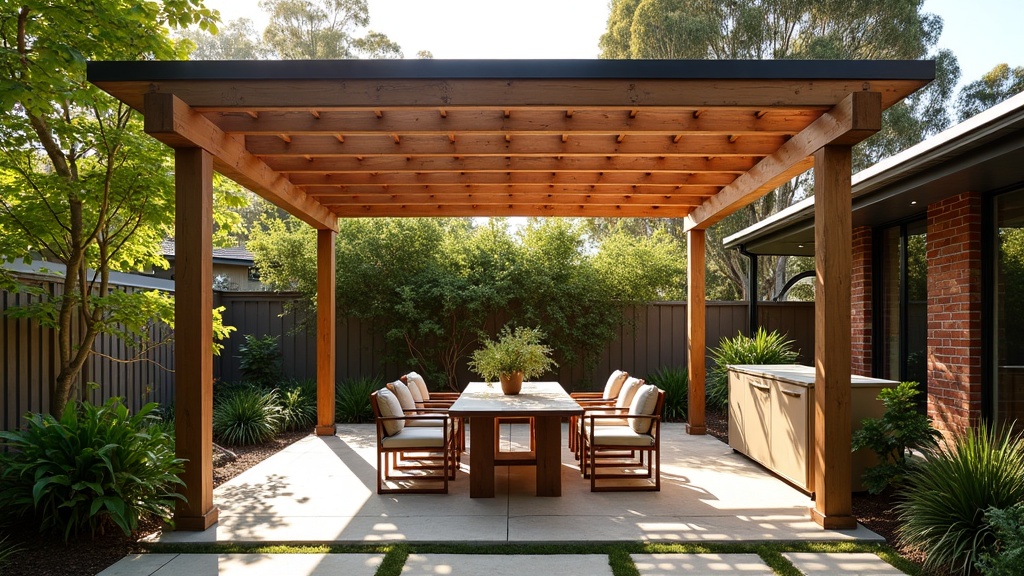
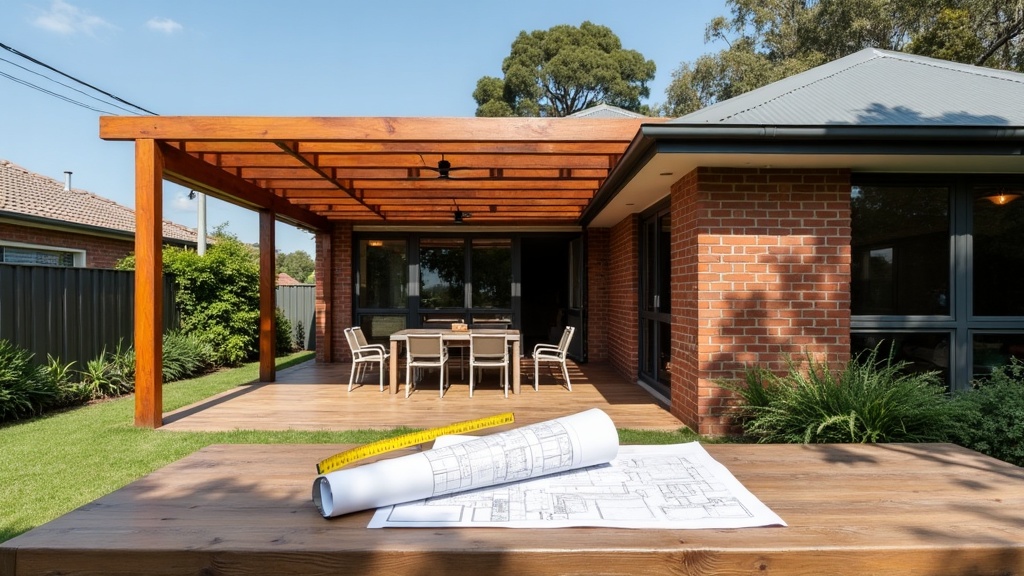
One of the first questions people ask about a pergola is whether they need a permit, and the honest answer is “it depends — check before you build.” In Victoria, a pergola can trigger a building permit, a planning permit, both, or neither, depending on its size, where it sits and what rules apply to your land. This guide explains why, and how to get a reliable answer for your address rather than relying on something you read on a forum.
Building permit vs planning permit — what’s the difference?
These are two different approvals and people mix them up constantly. A building permit is about whether the structure is built safely and to standard — footings, structure, construction. A planning permit is about whether you are allowed to do it on that land at all, given the zone, any overlays and the council’s planning scheme. You can need one without the other, or both. In Victoria, building work sits under the Building Act 1993 and the Building Regulations 2018, while planning is governed by your council’s planning scheme — which is why a single national rule of thumb does not tell you the answer.
Why a pergola can need one (or both)
A pergola is a built structure, so it can fall under the building rules; it occupies space on your land, so it can fall under the planning rules. Some smaller, simpler structures may be exempt from a building permit, but those exemptions have conditions, they vary, and they change — and even where a building permit is not required, a planning permit still can be, for example because of an overlay or the structure’s position. That is why “my neighbour didn’t need one” is not evidence about your project. The only safe approach is to confirm against the current rules for your specific site.
Attached vs freestanding and why it can change the answer
Whether the pergola attaches to the house or stands on its own can change how it is assessed. An attached structure becomes part of the building it connects to, which affects how the building rules treat it. A freestanding structure is assessed more on its own footprint, height and position on the block. The same-sized pergola can therefore land differently on approvals depending on how it relates to the house — another reason to check rather than assume the design you have in mind is automatically fine.
Overlays, heritage, easements and corner blocks
Beyond the basic rules, your specific land can carry extra controls. Heritage overlays, neighbourhood character or environmental overlays, easements running through the yard, and the particular rules that apply to corner blocks can all change what you can build and where. These are exactly the things a generic online answer cannot know about your property. If your home is in a heritage area or your title shows easements, treat approvals as something to confirm carefully, not a formality.
How to actually check for your address
The reliable path is straightforward: contact your local council’s building and planning department and ask about your specific address and the structure you have in mind, and check your property title for easements and your land for overlays. Councils deal with this every day and would far rather answer the question up front than issue an order later. Ask both whether a building permit is required and whether a planning permit is required, because the answer to one does not settle the other.
When to bring in a building surveyor
For anything beyond the simplest structure, a registered building surveyor is the person who can tell you definitively whether a building permit is needed and can issue it. Experienced pergola builders handle approvals as part of the job routinely and can manage the structure and its paperwork together, which takes the guesswork off your plate. The cost of confirming approvals up front is small next to the cost and stress of being told to modify or remove an unapproved structure after it is built — so make this the step you do first, not last.